
PERP GO
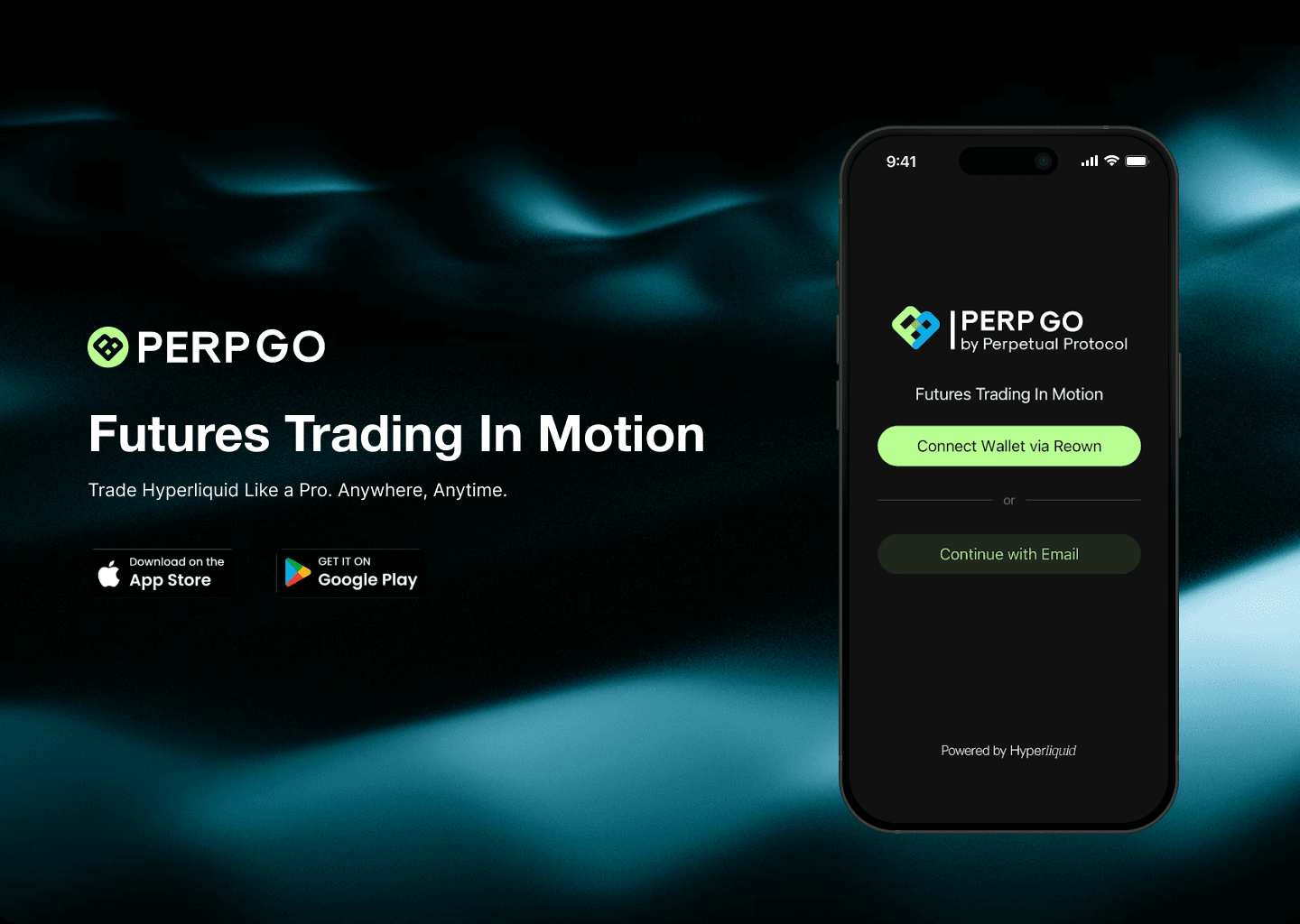
A self-custodial mobile trading app for Hyperliquid DEX, built by two people with AI doing the work of a third — then open-sourced when the team moved on.
Two people. One engineer, one designer. The AI workflow had been part of how the team operated for months before this project started — so the question was never whether to use it, but how to use it well.
For me that meant wireframes as briefing material: screenshots handed to an agent with a direction and a constraint, not passed to a developer for spec. It kept alignment fast between two people working in parallel, and shifted the polish work to where it mattered — closer to launch, when the decisions were real.
Opass had strong opinions about architecture. Hexagonal, clean separation, business logic kept well away from the React layer. I didn't arrive knowing why that mattered. I left understanding it. Working next to someone who cares deeply about the quality of things you can't see is its own kind of design education.
The Apple App Store review process is a special kind of patience test when you're trading financial products. Every submission is a negotiation you're not invited to. You learn to read the rejection reasons carefully and say nothing.
The project was eventually open-sourced under CC BY 4.0 — years of work handed to the community when the team moved on. There's something right about that ending. Nothing about it was wasted.
Project Outcome
Shipped a full-featured React Native trading app for iOS and Android — perpetual futures, 50x leverage, TradingView charts, two wallet integration paths — with a two-person team. By the time the project started, AI-assisted workflows were already standard practice for the team, which is what made a two-person setup viable. Perpetual Protocol open-sourced the codebase under CC BY 4.0 after the project transferred hands.
View the project live